









Step-by-Step Residential Solar Installation for Apartments and Townhouses
Solar energy is no longer limited to standalone houses. With advancements in technology and flexible system designs, apartments and townhouses can also benefit from solar power. However, the installation process in multi-residential settings is slightly more complex due to shared spaces, ownership structures, and regulatory considerations.
This guide walks you through the step-by-step process of installing a residential solar system for apartments and townhouses, helping you understand what to expect from planning to final activation.
Step 1: Assess Feasibility and Ownership Structure
The first and most important step is understanding whether solar installation is feasible in your building.
Key Considerations:
- Ownership Type: Individual ownership vs shared/common property
- Body Corporate or Society Approval: Required for common roof usage
- Available Roof Space: Must be sufficient and accessible
- Energy Needs: Individual unit vs shared system (common areas)
For apartments, decisions often involve multiple stakeholders, making approvals a crucial starting point.
Step 2: Conduct a Site Inspection
A professional solar installer will evaluate the property to determine technical feasibility.
What They Check:
- Roof orientation and tilt
- Shading from nearby buildings or trees
- Structural strength of the roof
- Electrical infrastructure
This step ensures that the system design will deliver optimal performance.
Step 3: Choose the Right Solar System Type
Different configurations are available depending on the building setup.
Options:
- Individual Systems: Each unit installs its own solar panels (if feasible)
- Shared/Common System: One system powers common areas like lifts, lighting, and parking
- Virtual Net Metering (where available): Shared generation distributed across units
The choice depends on space availability, regulations, and resident preferences.
Step 4: System Design and Capacity Planning
Once feasibility is confirmed, the installer designs a customized system.
Design Factors:
- Total energy consumption
- Number of panels required
- Inverter type and placement
- Wiring layout and safety systems
For apartments, efficient space utilization is critical to maximize energy output.
Step 5: Obtain Approvals and Documentation
Solar installation in apartments and townhouses often requires multiple approvals.
Common Approvals:
- Housing society or body corporate approval
- Local municipal permissions (if applicable)
- Utility provider approval for grid connection
Proper documentation ensures compliance with regulations and avoids future disputes.
Step 6: Installation Process
Once approvals are in place, the physical installation begins.
Installation Steps:
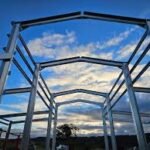
- Mounting structures are fixed on the roof
- Solar panels are installed securely
- Inverter and electrical components are set up
- Wiring is connected to the building’s electrical system
The process usually takes a few days depending on system size and complexity.
Step 7: Grid Connection and Net Metering
After installation, the system is connected to the electricity grid.
What Happens Here:
- Installation of a net meter (if applicable)
- Inspection by utility authorities
- Approval for system operation
Net metering allows excess energy to be exported to the grid, reducing electricity bills.
Step 8: Testing and Commissioning
Before full operation, the system undergoes testing.
Checks Include:
- System performance verification
- Safety inspections
- Inverter functionality
Once approved, the system is officially activated.
Step 9: Monitoring and Maintenance
After installation, regular monitoring ensures optimal performance.
Key Activities:
- Tracking energy generation through monitoring apps
- Periodic cleaning of panels
- Routine inspections for electrical components
Solar systems are low-maintenance but require basic upkeep for maximum efficiency.
Unique Challenges for Apartments and Townhouses
- Limited roof space shared among multiple residents
- Decision-making delays due to multiple stakeholders
- Allocation of generated power among units
- Regulatory restrictions in some areas
Proper planning and clear communication help overcome these challenges.
Benefits of Solar for Multi-Residential Properties
- Reduced electricity costs for residents or common areas
- Lower maintenance costs for shared facilities
- Increased property value
- Environmentally friendly energy solution
Solar installations can also enhance the overall appeal of the property to buyers and tenants.
Tips Before You Start
- Engage all stakeholders early in the process
- Choose experienced installers familiar with multi-residential projects
- Opt for high-efficiency panels if space is limited
- Plan for future scalability if energy needs increase
Final Thoughts
Installing solar panels for apartments and townhouses is a smart investment, but it requires a structured approach. From feasibility assessment and approvals to installation and maintenance, each step plays a vital role in ensuring a successful project.
Looking to Buy Solar Batteries in Brisbane?
Choose Rise Solar for reliable, efficient energy storage solutions.
Store more solar power and enjoy greater energy independence!