














Best 10 Ways to Avoid Expensive Wet Timing Belt Repairs
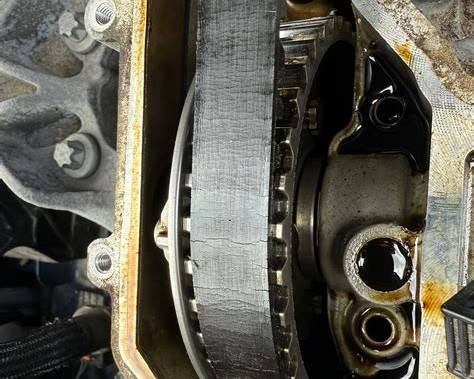
A vehicle’s timing system is one of the most important parts of the engine, yet it is often overlooked until a warning sign appears. For vehicles fitted with a wet timing belt, maintenance can be particularly important because the belt operates inside the engine and relies on engine oil for lubrication. Understanding the maintenance schedule, warning signs, and factors affecting wet timing belt replacement cost can help motorists make better decisions about preventative servicing.
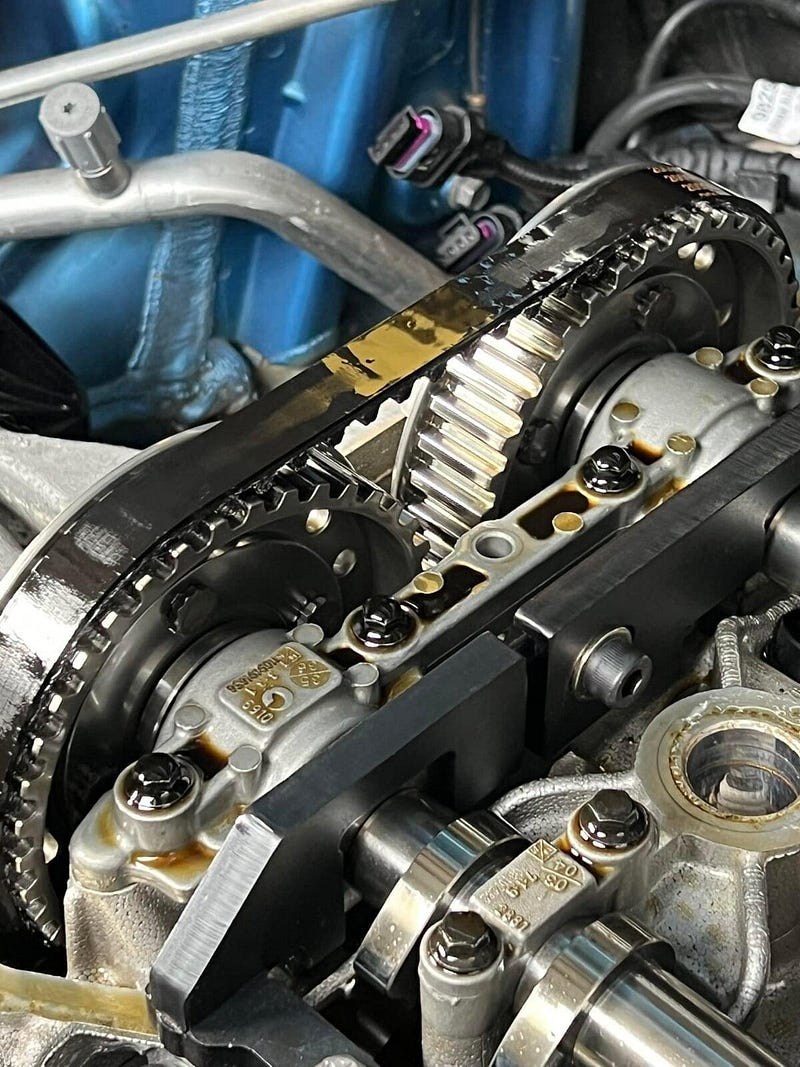
Unlike a conventional dry timing belt, a wet timing belt runs within an oil-filled environment. This design can reduce friction and operating noise while supporting efficient engine performance. However, the belt material is exposed to engine oil, heat and chemical conditions over many years, making correct servicing essential.
What Is a Wet Timing Belt?
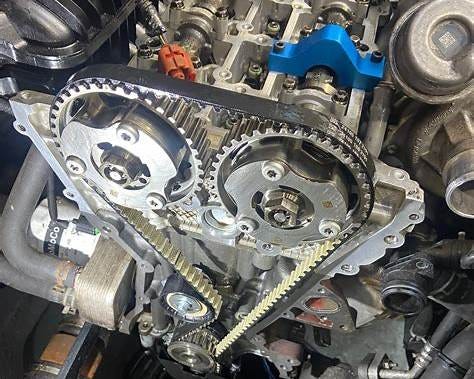
A timing belt synchronises the movement of the engine’s crankshaft and camshaft. This ensures that the pistons and valves operate at the correct time during each engine cycle.
A wet timing belt performs the same fundamental function as other timing belts but is designed to operate within the engine rather than in a dry external housing. Manufacturers use this configuration in certain modern engines because it can offer advantages such as:
- Reduced friction
- Lower mechanical noise
- Improved packaging within the engine
- Potential efficiency benefits
- Reduced vibration in some applications
The downside is that deterioration can be influenced by the condition and specification of the engine oil. Incorrect oil, contaminated oil or extended service intervals may contribute to premature belt degradation.
What Influences Wet Timing Belt Replacement Cost?
One of the most common questions from vehicle owners is how much replacement will cost. There is no single price that applies to every vehicle because the work required depends on the engine design and the components included in the repair.
Factors that can influence wet timing belt replacement cost include:
- Vehicle make and model
- Engine configuration
- Accessibility of the timing system
- Labour time
- Replacement belt and related components
- Oil and filter requirements
- Water pump condition, where applicable
- Additional seals or components required
- Whether belt deterioration has caused secondary damage
A professional inspection and vehicle-specific quotation are therefore more useful than relying on a general online estimate.
Another important consideration is whether the repair should include associated components. Depending on the engine manufacturer’s recommendations, technicians may inspect or replace tensioners, pulleys, seals, pumps and other related parts while the timing system is accessible.
Signs That a Wet Timing Belt May Need Attention
Wet timing belts do not always provide obvious warning signs before deterioration becomes serious. This is why following the manufacturer’s replacement interval is important.
Nevertheless, motorists should pay attention to symptoms such as:
- Unusual engine noises
- Difficulty starting
- Irregular engine performance
- Engine warning lights
- Visible oil contamination or unusual debris
- Reduced performance
- Changes in oil pressure or lubrication-related symptoms
Some engines can experience belt-material degradation that contaminates the engine oil system. In severe situations, this may contribute to blocked oil pickup systems or lubrication problems.
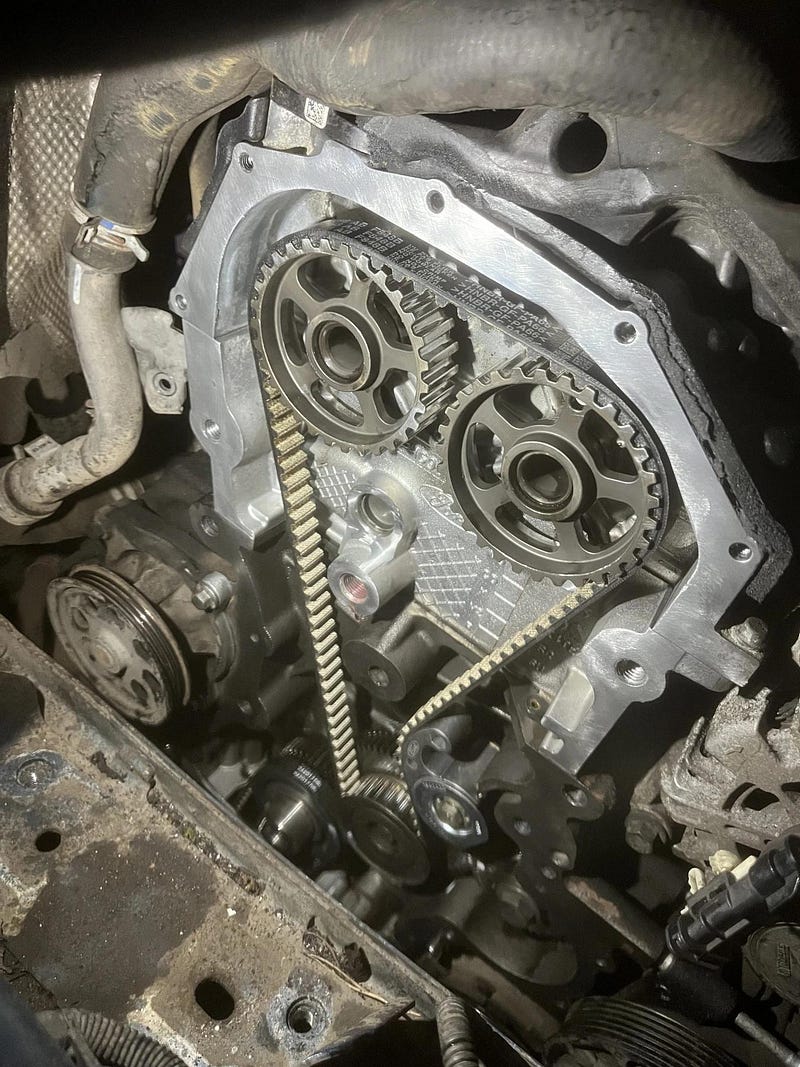
A warning sign should not automatically be assumed to mean the timing belt has failed. Proper diagnostic inspection is needed to establish the underlying cause.
Why Correct Maintenance Matters
Regular servicing plays a major role in protecting timing components. Engine oil is especially important in wet-belt applications because the belt is directly exposed to it.
Vehicle owners should:
- Follow the manufacturer’s recommended service intervals.
- Use the correct oil specification for the engine.
- Avoid unnecessarily extending oil-change intervals.
- Keep service records for future maintenance.
- Check the manufacturer’s recommended timing belt replacement schedule.
- Investigate unusual engine symptoms promptly.
Using the wrong oil specification can be particularly problematic for engines designed around wet timing belt technology. The correct lubricant is not simply about viscosity; manufacturer-approved specifications can also relate to the compatibility of the oil with engine components.
Replacing Wet Timing Belt: What Does the Job Involve?
Replacing wet timing belt systems can be more involved than replacing a conventional external timing belt. Access to the belt may require removal of several engine components, while the technician must work carefully to maintain correct timing alignment.
A typical replacement process may involve:
- Confirming the engine and manufacturer specifications
- Inspecting the timing system
- Draining or managing engine oil as required
- Removing components that obstruct access
- Replacing the timing belt
- Inspecting associated timing components
- Cleaning contamination where necessary
- Reassembling the system according to manufacturer procedures
- Refilling with the correct oil
- Checking engine operation and timing
The exact procedure varies considerably between engines, so a repair should be carried out using the appropriate manufacturer specifications and workshop procedures.
Wet Timing Belt Replacement Trowbridge: Choosing the Right Approach
For motorists researching wet timing belt replacement Trowbridge, the key consideration should be the condition and requirements of the individual vehicle rather than simply choosing a repair based on the lowest quoted figure.
S&M Auto Service provides information for motorists who want to understand wet timing belt maintenance and replacement requirements in Trowbridge. Vehicle owners can use its service information as a starting point when discussing the work and obtaining a vehicle-specific assessment.
It is sensible to ask what the quotation includes. A useful quotation should make clear whether labour, the belt, related components, oil, filters and any additional recommended work are included.
Preventative Maintenance Can Reduce Risk
Timing belt replacement is fundamentally a preventative maintenance task. Waiting until a belt fails can result in significantly more extensive engine repairs.
A damaged timing belt can cause the crankshaft and camshaft to lose synchronisation. In interference engines, this may allow pistons and valves to contact each other, potentially resulting in expensive internal engine damage.
For this reason, replacement intervals should be treated as an important part of the vehicle maintenance schedule. Even if a vehicle appears to run normally, the timing belt can still be approaching the end of its recommended service life.
Final Takeaway
Wet timing belt systems offer engineering advantages, but they also require appropriate maintenance. Understanding the factors behind wet timing belt replacement cost, following the correct oil and servicing requirements, and replacing the belt according to manufacturer guidance can help reduce the risk of unexpected engine problems.
For motorists considering wet timing belt replacement Trowbridge, the most practical approach is to identify the exact engine requirements, establish the recommended replacement interval and obtain a detailed inspection or quotation. Preventative maintenance may require an investment today, but it can help protect one of the vehicle’s most valuable assets: its engine.