





How to Choose the Right Wall Panel for Your Space
Walking into a showroom full of wood tones, PVC finishes, and fluted textures can turn a simple decision into a genuinely overwhelming one. Wall panels have become one of the most popular ways to upgrade an interior, but choosing the right one depends on far more than just what looks good in a photo. Room function, material, budget, and climate all play a role in getting this decision right the first time.
This guide breaks the process down into clear, practical steps, so you can walk into your next purchase with a much clearer idea of what actually suits your space.
Start With the Room’s Function, Not the Look
It’s tempting to pick a wall panel design based purely on aesthetics, but function should come first. A panel that looks stunning in a dry, air conditioned living room can warp or swell within months if installed in a humid bathroom or a kitchen exposed to steam and heat.
Before browsing styles, ask a few honest questions about the room itself:
- Does this space see high humidity or direct water exposure?
- Is it a high traffic area that needs to withstand daily wear?
- Does the room need better sound insulation, such as a home office or media room?
- How much natural light does the wall receive throughout the day?
Answering these questions first narrows the material shortlist considerably, long before colour or texture even enters the conversation.
Understand the Core Wall Panel Materials
Each material category comes with its own strengths, and understanding these differences is really the foundation of choosing the right wall panel.
MDF panels remain a popular, budget friendly choice for dry indoor spaces like living rooms and bedrooms. They take paint well and offer a smooth, versatile finish, but they aren’t suited to areas with regular moisture exposure.
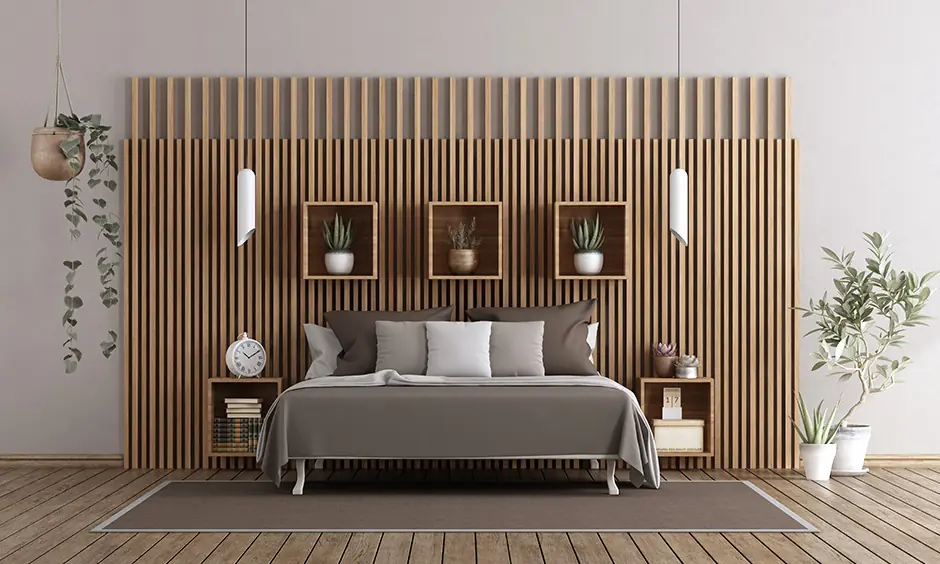
Solid wood and wood veneer panels bring genuine grain and a premium, natural character to a room. They perform best in climate controlled interiors away from direct humidity, and while they cost more upfront, their durability and timeless appeal often justify the investment.
PVC and WPC panels are essentially moisture proof, making them the practical choice for kitchens, bathrooms, and any space where humidity fluctuates. They also tend to be lighter and easier to install than solid wood alternatives.
Acoustic panels combine visual texture with genuine sound dampening properties. These work particularly well in home offices, media rooms, or apartments where noise travel between shared walls is a common frustration.
Match the Finish to the Room’s Purpose
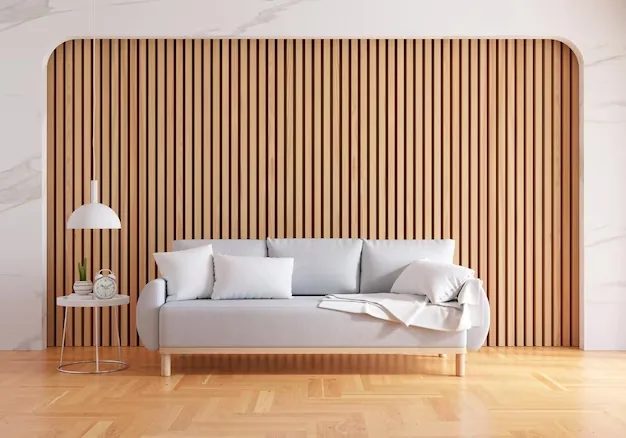
Once the material is settled, the finish becomes the next major decision. Fluted and reeded profiles remain some of the most requested finishes right now, offering a soft, rounded texture that catches light beautifully. Slatted panels, by contrast, create a more architectural, linear look and tend to suit media walls or entryways particularly well.
For a subtler upgrade, flat panels arranged in simple geometric patterns give a clean, contemporary feel without pulling too much attention. Bolder 3D textured panels, on the other hand, genuinely change how a wall reads depending on the angle and lighting, making them a strong choice for a single dramatic feature wall rather than an entire room.
Consider the Climate You’re Installing Into
In regions with high heat and humidity, climate resistance deserves just as much attention as appearance. Constant air conditioning combined with intense outdoor heat puts real stress on interior materials over time. Panels that resist warping, swelling, and fading will hold their finish for years, while a poor material match can start showing wear within a single season.
This is exactly why WPC and PVC panels have become so widely used in kitchens and bathrooms across warmer climates, while wood and MDF remain reserved for interior rooms with stable temperature and humidity levels.
Think About Long Term Maintenance
Every wall panel material comes with its own upkeep requirements, and it’s worth being realistic about how much maintenance you’re actually willing to commit to. Most panels only need an occasional wipe with a soft, damp cloth, but wood and MDF finishes require harsher chemical cleaners to be avoided entirely, since they can strip the protective coating and dull the surface over time.
If low maintenance is a priority, PVC and WPC panels generally offer the easiest day to day care, while wood veneer options ask for a slightly more careful cleaning routine to preserve their natural grain.
Get the Proportions and Layout Right
Even the right material and finish can look wrong if the scale doesn’t suit the room. Wider panel widths with even spacing tend to read as more architectural and suit larger, open rooms well. Narrower slats or smaller tile based patterns generally work better in compact spaces, adding texture without visually shrinking the room further.
It also helps to measure the wall carefully before ordering anything, noting exactly where sockets, switches, and windows fall. Sketching the layout on paper first prevents an awkward final row or a pattern that feels unbalanced once installed.
Set a Realistic Budget Before You Shop
Material choice moves the final price far more than labour does in most wall panelling projects. Basic PVC panels sit at the lower end of the price range, while premium wood, acoustic, or custom 3D designs climb considerably higher depending on complexity. It’s worth requesting a written quote based on your exact wall measurements before committing, since this avoids unpleasant surprises once installation day arrives.
For a closer look at how pricing varies across finishes, comparing a wall panel range side by side is often the fastest way to understand what fits comfortably within your budget before making a final decision.
Don’t Underestimate Installation
Even the best material and design choice can fall short with poor installation. Panels typically get fixed using either strong adhesive, mechanical fixings like screws and clips, or a combination of both, depending on wall type and panel weight. A poorly prepped wall, uneven surface, or rushed adhesive job can lead to lifting edges and visible seams within months.
Working with an experienced team, such as Dubai Wallpaper, who understands how different materials behave in local conditions, tends to make a noticeable difference in how the final result holds up over time.
If you’d like more room specific inspiration before deciding, this roundup of best wall panel design ideas is worth a look, covering everything from living rooms to bathrooms in more detail.
Final Thoughts
Choosing the right wall panel really comes down to matching material, finish, and scale to how a room actually functions day to day. A humid bathroom calls for a completely different approach than a quiet, climate controlled bedroom, and a small hallway needs a different pattern scale than an open plan living area.
Taking the time to work through function, material, climate, and budget before falling in love with a specific look tends to save both money and disappointment later. Once those fundamentals are settled, narrowing down the final design becomes a far more straightforward decision.